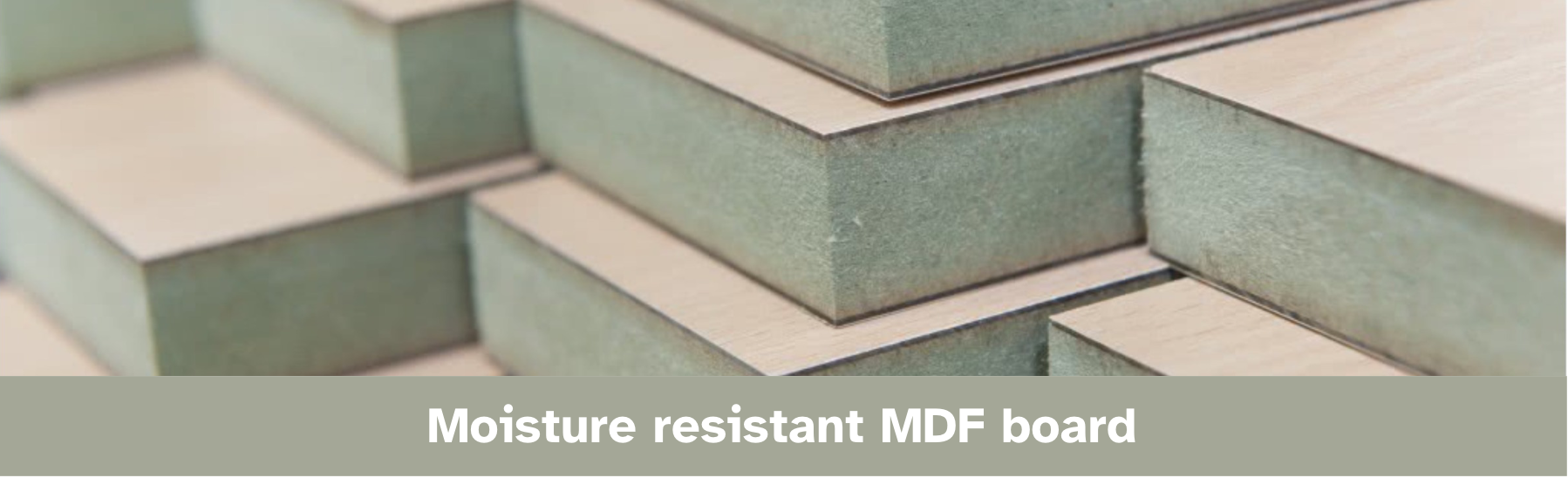
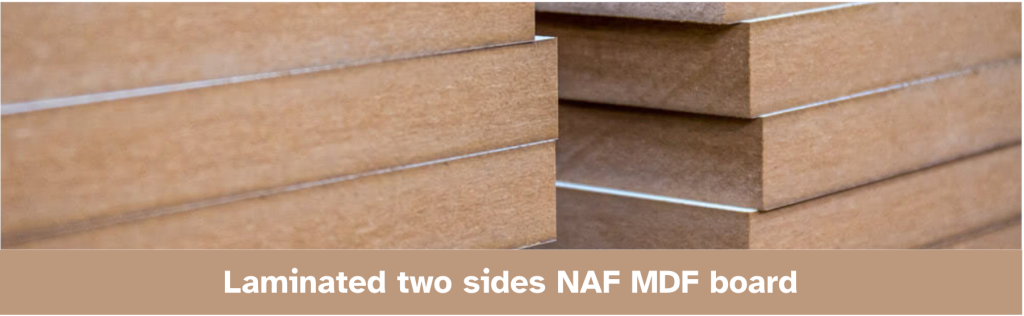
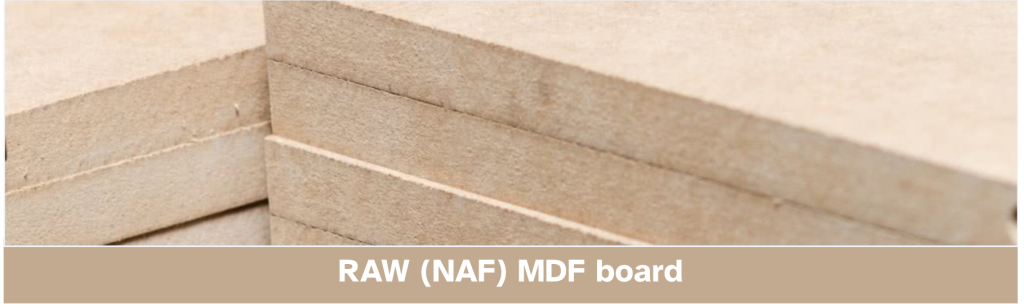
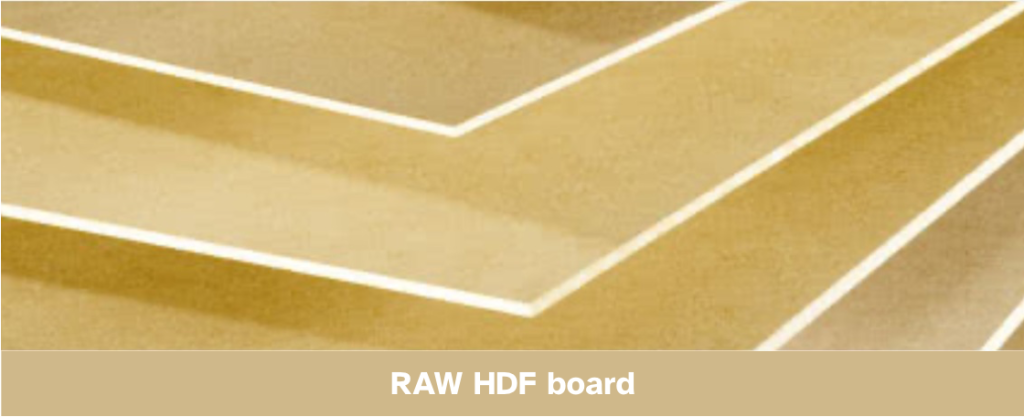
When you see NAF and MDF mentioned together, it refers to a specific, high-safety grade of Medium-Density Fiberboard. MDF (Medium-Density Fiberboard) is an engineered wood product made by breaking down hardwood or softwood residuals into wood fibers and combining them with wax and a resin binder. NAF stands for No Added Formaldehyde.
1. What does NAF mean? In the wood industry, NAF is a certification provided by regulators like the California Air Resources Board (CARB) and the EPA. * Standard MDF: Usually uses Urea-Formaldehyde (UF) resins as a glue. This can “off-gas” (release gas) into your home over time, which is a health concern as formaldehyde is a known carcinogen. * NAF MDF: Uses alternative, non-formaldehyde , non-urea bio based binders * NAF is the highest safety standard, indicating that no extra formaldehyde was added during the manufacturing process.
2. Why Choose NAF MDF? Choosing NAF MDF is primarily about Indoor Air Quality (IAQ). It is the preferred choice for: * Environmentally Sensitive Areas: Schools, nurseries, hospitals, and nursing homes. * Green Building Certifications: Essential for projects aiming for LEED v4 or BREEAM credits. * Museums/Galleries: Formaldehyde gas can damage delicate artifacts or paintings, making NAF the standard for display cases. * Sensitive Individuals: People with respiratory issues or chemical sensitivities.